The emergency department is buzzing. Nurses are stretched thin, patients are waiting, and every second counts. In this high-stakes environment, the difference between a good outcome and a tragic one often comes down to one critical process: triage.
Yet here's the uncomfortable truth: traditional triage systems, while foundational, are struggling to keep pace with modern healthcare demands. Patient volumes are rising, clinical staff are burning out, and the complexity of cases continues to grow. Something has to give.
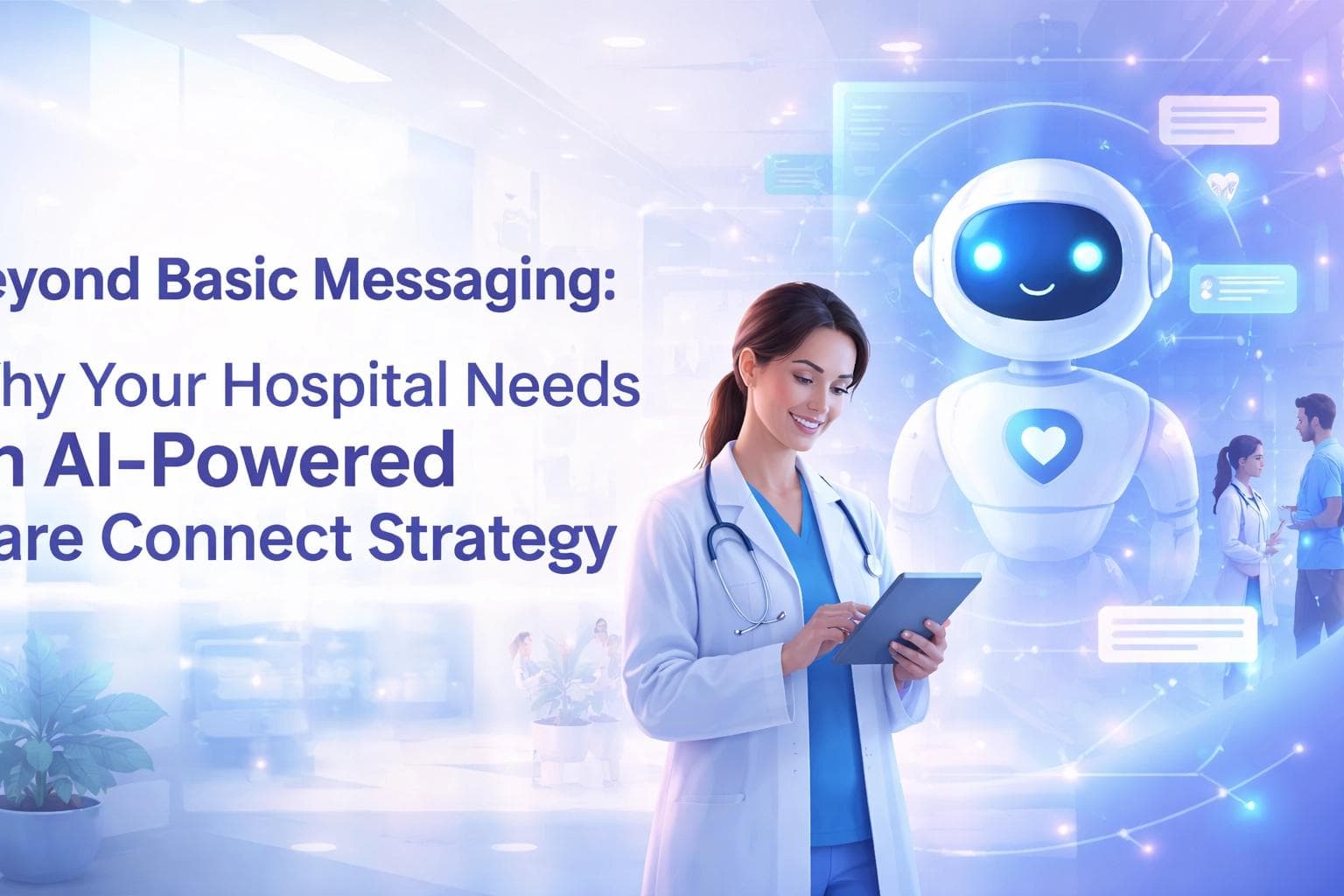
This is where Care Connect, powered by AI-assisted services, is stepping in to rewrite the rules. At Elixr Labs, we've been at the forefront of this transformation: helping hospitals modernize their workflows, reduce clinician burden, and ultimately deliver faster, smarter care to the patients who need it most.
The Triage Challenge: Why Traditional Systems Are Falling Short
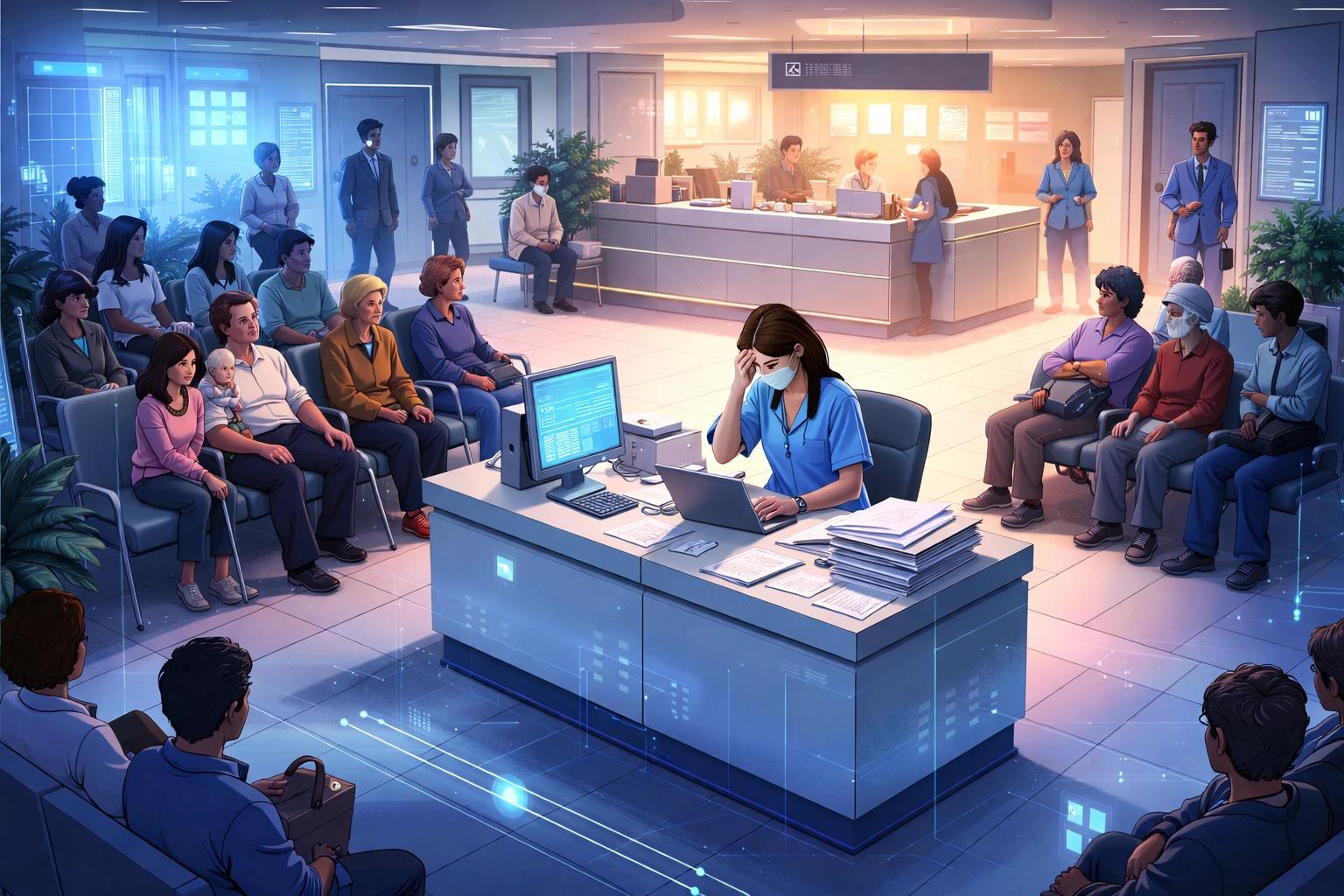
Picture a busy Monday morning in any metropolitan hospital. Patients stream through the doors with complaints ranging from minor aches to life-threatening emergencies. A triage nurse: often juggling multiple responsibilities: must quickly assess each case, assign a priority level, and route patients accordingly.
It's a system that has worked for decades. But "working" and "thriving" are two very different things.
Traditional triage relies heavily on human judgment, which is remarkable but also limited. Cognitive overload sets in. Fatigue accumulates. Subtle symptoms get missed during peak hours. And when delays occur between a patient's arrival and their initial assessment, critical windows for intervention can close.
The data tells a sobering story. Studies indicate that conventional triage methods often fall short in accurately predicting patient acuity: particularly for complex cases where multiple factors intersect. When we consider that these numbers represent real people with real families waiting for answers, the urgency for improvement becomes impossible to ignore.
Enter AI-Assisted Triage: A New Era of Intelligent Care
This is precisely where AI-assisted services are making their mark: not by replacing the clinical expertise of healthcare professionals, but by amplifying it.
Modern AI-powered triage systems leverage machine learning, neural networks, and advanced data analytics to support both remote and in-person assessments. The results are striking. Deep-learning approaches and gradient-boosting models have demonstrated significantly higher accuracy than traditional methods, with neural network models classifying critically ill patients at an AUC of 0.851. In some implementations, algorithms like XGBoost have achieved AUROC values ranging from 0.909 to 0.962 for predicting the necessity of critical interventions such as intubation and oxygen therapy.
But what does this mean in practical terms?
It means a system that can analyze a patient's symptoms, medical history, vital signs, and even free-text descriptions: all within seconds: and provide clinicians with a suggested triage level for review. It means flagging high-risk patients automatically during those critical delays between ED arrival and nurse availability. It means catching what might otherwise slip through the cracks.
And perhaps most importantly, it means human oversight remains firmly in place. AI functions as a supportive tool, enhancing clinical judgment rather than attempting to supplant it.
Care Connect: The Backbone of Modern Hospital Workflows
At the heart of this transformation lies Care Connect: a comprehensive approach to integrating communication, coordination, and intelligence across the entire patient journey.

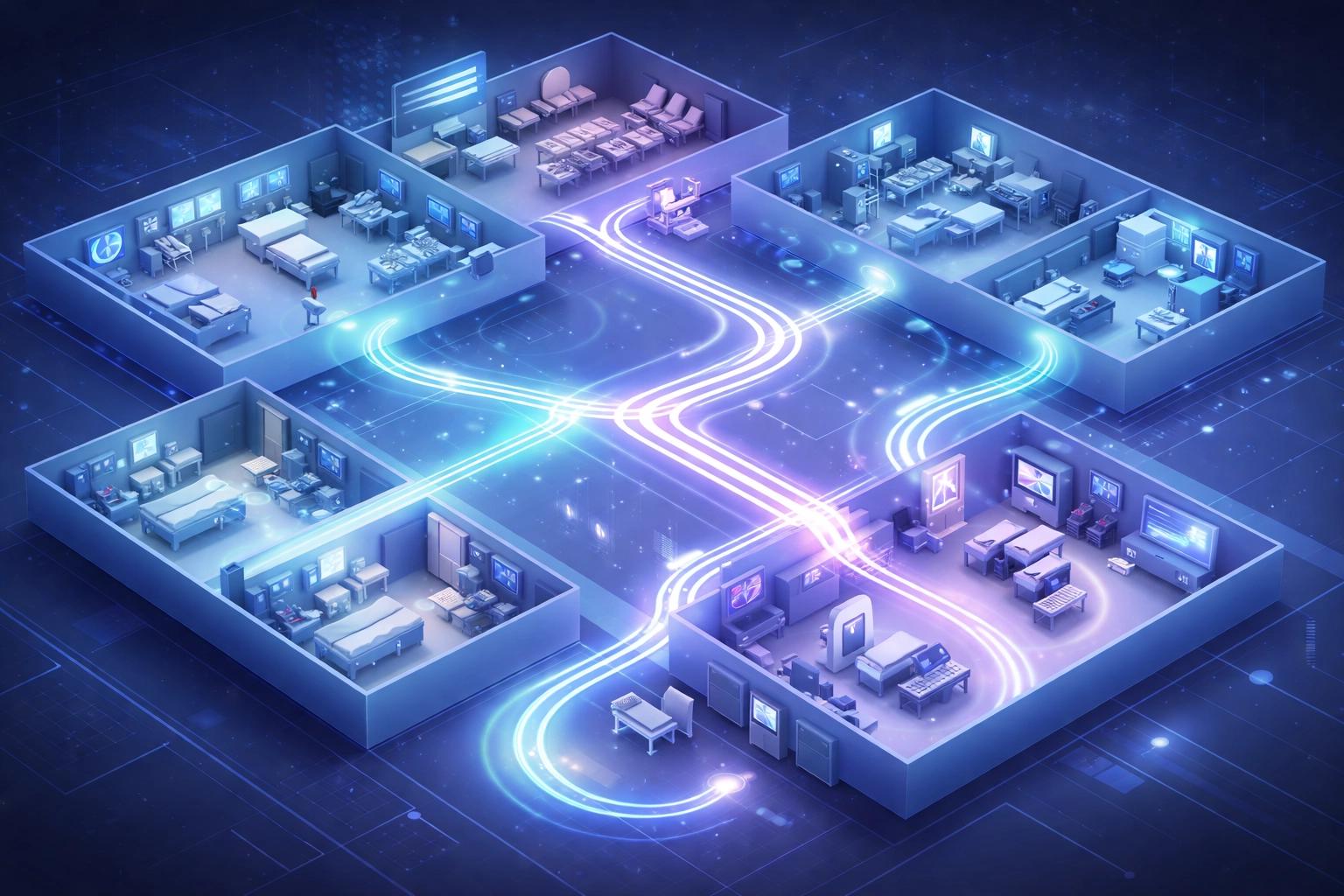
Think of Care Connect as the central nervous system of a hospital's operations. It's not just about messaging or scheduling: it's about creating an interconnected ecosystem where data flows seamlessly, decisions are informed by real-time insights, and every stakeholder has the information they need exactly when they need it.
When we layer AI-assisted services onto this foundation, the possibilities expand dramatically:
Intelligent Triage : AI algorithms analyze incoming patient data and provide preliminary assessments, helping triage nurses prioritize cases with greater confidence and consistency.
Automated Routing: – Patients are automatically directed to the appropriate care pathways based on their acuity, available resources, and predicted needs: reducing bottlenecks and optimizing flow.
Data-Driven Decision Making - By integrating routine clinical data, patient comorbidity information, and even advanced metabolomics data, AI platforms can predict disease severity and anticipated length of hospitalization, enabling proactive resource planning.
Virtual Triage Capabilities- Patients can input symptoms in free-text while AI systems ask clinically relevant follow-up questions: mimicking the interaction they might have with a medical professional: and then receive guidance directing them to appropriate care endpoints, from emergency care to self-care options
This isn't science fiction. This is happening now, in hospitals around the world: and the institutions embracing these technologies are seeing measurable improvements in both efficiency and outcomes.
For Clinicians: Breathing Room in a High-Pressure World
Let's talk about the people on the front lines.
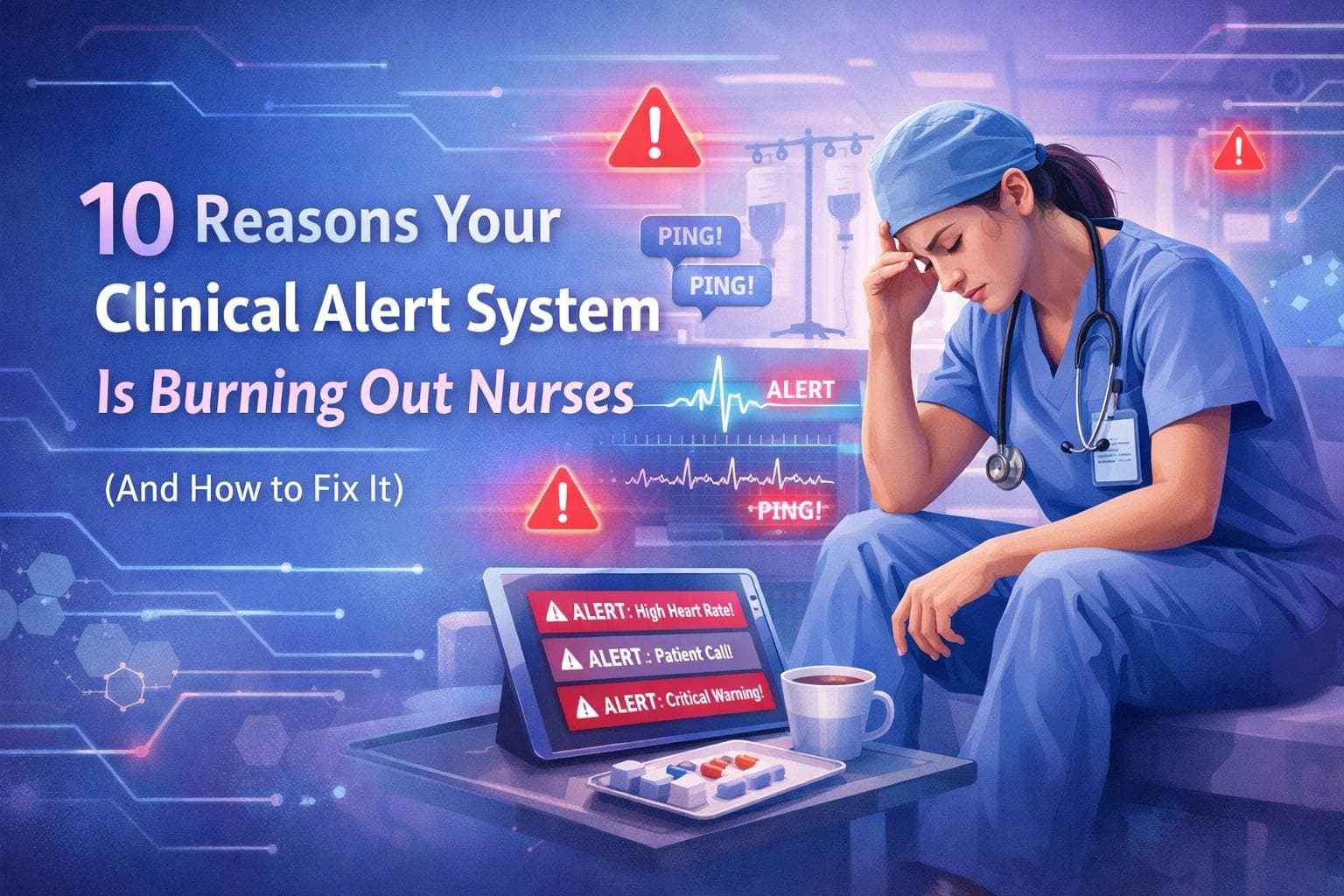
Healthcare workers are exhausted. The combination of increasing patient volumes, administrative burdens, and the emotional weight of their work has pushed burnout rates to alarming levels. When we lose clinicians to exhaustion and disillusionment, we lose decades of experience and compassion that can't easily be replaced.

AI-assisted services within Care Connect directly address this crisis by reducing operational burden. Quick assessment of patient symptoms and medical history: tasks that previously demanded significant nurse attention: can now be streamlined. One study demonstrated an 82% accuracy rate in triaging post-operative patients for intensive care, providing crucial support during high-pressure situations when cognitive load is at its peak.
The result? Clinicians can focus on what they do best: providing hands-on care, building patient relationships, and exercising the nuanced clinical judgment that no algorithm can replicate. They get time back. They get breathing room. And that makes all the difference.
For Patients: Faster Care When It Matters Most.
On the other side of the equation are the patients: individuals who arrive at healthcare facilities anxious, uncertain, and hoping for swift answers.
AI-powered triage delivers on that hope. By accelerating the assessment process and ensuring accurate prioritization, patients receive appropriate care more quickly. Those with urgent needs are identified and escalated without delay. Those with less acute conditions are guided toward suitable alternatives, whether that's a primary care follow-up or evidence-based self-care recommendations.
Virtual triage tools extend this benefit beyond hospital walls. Patients can engage with intelligent systems from home, receiving preliminary guidance that helps them make informed decisions about where and when to seek care. This proactive approach has the potential to reduce ER influx, minimize unnecessary exposure to infections, and ensure that emergency resources remain available for true emergencies.
It's healthcare that meets people where they are, literally and figuratively.
Scalability and Efficiency: Building for the Future
Perhaps one of the most compelling aspects of AI-assisted Care Connect services is their inherent scalability.
Traditional systems struggle to adapt when patient volumes spike unexpectedly: whether due to seasonal illness, public health emergencies, or community events. AI-powered solutions, by contrast, can handle increased demand without proportional increases in staffing or infrastructure.
Hospitals can use these technologies to allocate critical resources: ICU beds, staff, and equipment: more efficiently by identifying which patients require urgent attention and predicting downstream needs. The incorporation of chief complaint data into AI models
has been shown to increase predictive accuracy by up to 2% in AUROC and up to 8% in average precision: improvements that compound across thousands of patient encounters.
For healthcare systems looking to do more with less while maintaining quality, this represents a genuine paradigm shift.
Partnering for Transformation
At Elixr Labs, we understand that implementing AI-assisted services isn't simply about deploying technology: it's about thoughtful integration, change management, and a deep understanding of clinical workflows. Our expertise in Care Connect solutions positions us to guide healthcare organizations through this transformation, ensuring that new capabilities enhance rather than disrupt existing operations.
The future of patient triage is intelligent, connected, and human-centered. It's a future where technology handles the heavy lifting so that clinicians can focus on care, where patients receive faster and more accurate assessments, and where healthcare systems operate with unprecedented efficiency.
The question isn't whether this transformation will happen: it's whether your organization will lead it or follow.
Ready to explore how AI-assisted Care Connect services could modernize your hospital's workflows? We'd love to start that conversation. Visit our Vision page to learn more about where we're headed: and how we can get there together.